From search to store.
Through Digitas North America, part of Publicis Groupe, Cam Myers led search strategy and search analytics for RaceTrac. Regional competitive research informed a unified enterprise approach, while multiple regression analyses connected search traffic with measured physical store traffic and customer headcounts.
Read the case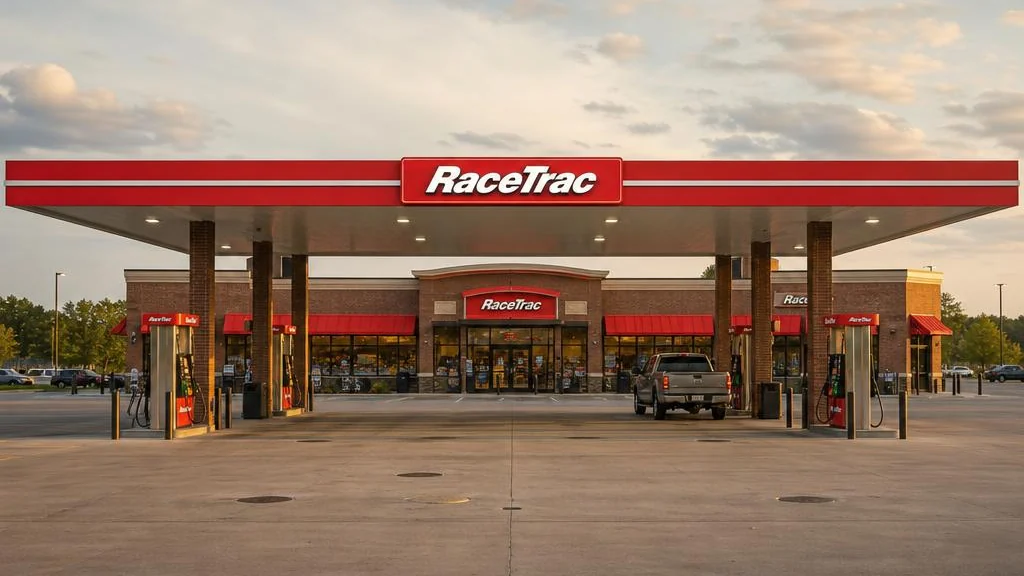
- Sector
- Convenience & fuel retail
- Delivery context
- Cam Myers through Digitas North America · Publicis Groupe
- Leadership
- Search strategy, research & analytics
- Measurement
- Search traffic & physical store headcounts
One retail network. Different local choices.
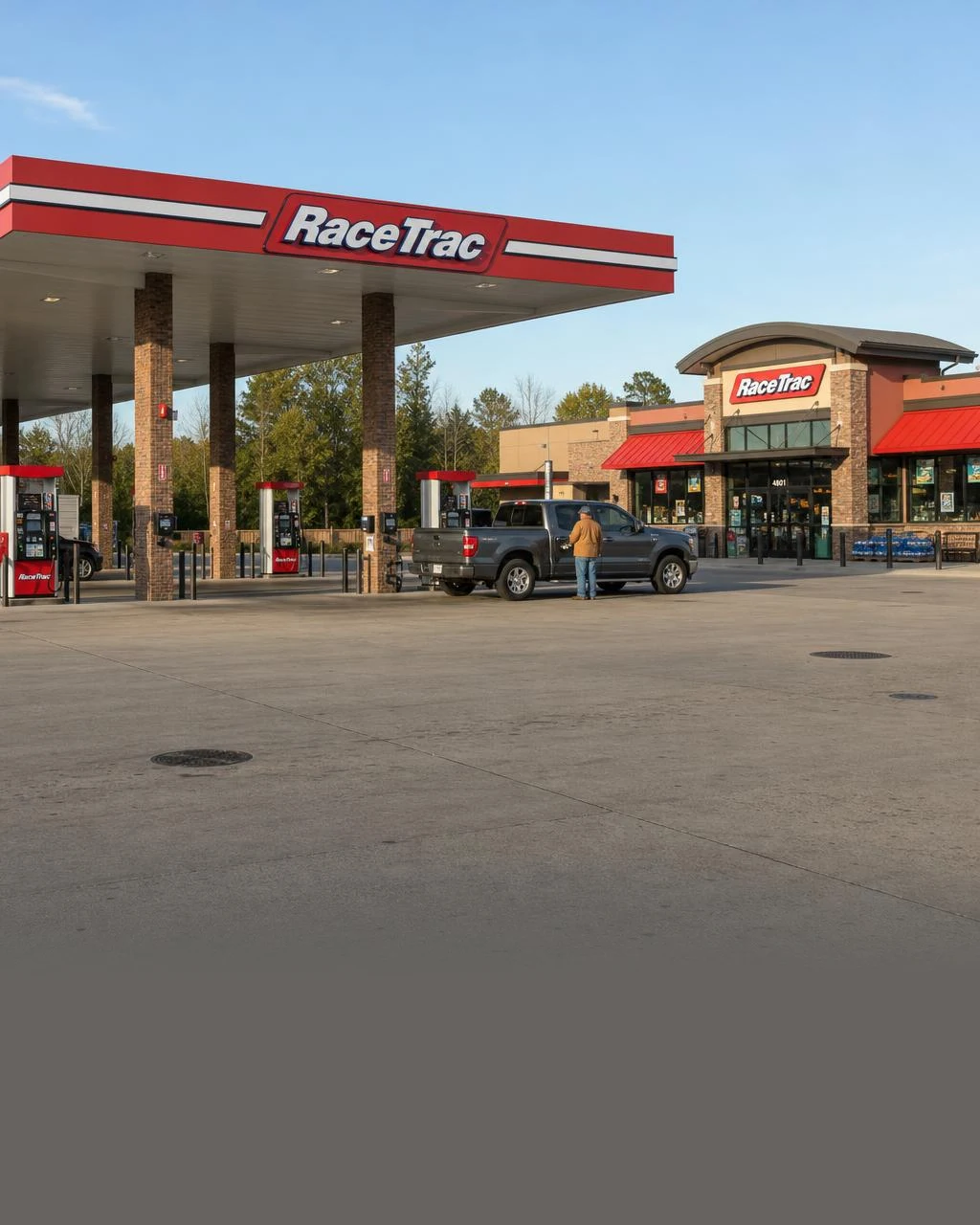
RaceTrac competed for customers across a large convenience-retail and fuel network, but the alternatives customers considered varied by region. A unified search strategy needed to reflect those differences: help people find relevant stores and products without assuming that the same competitive priorities applied in every market. The commercial objective was local customer discovery, evaluated in relation to the physical activity of people entering stores.
Coordinate search without flattening regional differences.
Enterprise direction alone could not explain which competitors, products, or customer propositions mattered locally. Research had to extend beyond rankings to loyalty programs, local discovery, and product visibility, then inform regional and location-level priorities. Measurement also needed to reach beyond online activity: how did search traffic relate to measured physical store traffic and customer headcounts?
Lead the strategy. Connect research with analysis.
Cam led search strategy and search analytics through Digitas North America, part of Publicis Groupe. His role connected extensive competitive research, enterprise planning, local search priorities, and analysis of physical customer activity. This was a historical agency engagement, not a direct CM&P engagement or independent delivery by CM&P.
- 01Research
Study regional competitors, loyalty programs, and local discovery to establish the context for customer-acquisition decisions.
- 02Set priorities
Translate enterprise search direction into regional and location-level recommendations, including product visibility in local search.
- 03Analyze
Complete multiple regression analyses examining the relationship between search traffic and measured store traffic and customer headcounts.
Research, local relevance, and physical activity.
The work connected marketing leadership with analytical implementation. Competitive research informed where search should focus; local discovery and product-visibility recommendations gave that direction practical relevance; regression analyses examined its relationship with physical customer activity.
- 01Confirmed capability
Regional competitive intelligence
Use market differences to inform priorities.
Research considered competitors including 7-Eleven, Buc-ee’s, Casey’s, and Speedway as historical examples of the competitive landscape—not a claim that all operated in every market. Loyalty-program research informed how retailers attracted and retained customers; it was not the design or launch of RaceTrac’s loyalty program.
- 02Confirmed capability
Enterprise direction, local relevance
Coordinate the strategy around how customers find stores.
Cam developed a unified search approach with regional and location-level priorities. Research into local discovery helped connect network-wide planning with the competitive conditions and searches relevant to individual stores.
- 03Confirmed capability
Product-discovery strategy
Connect where to shop with what to find there.
Product feeds formed a strategic workstream for making locally relevant products more visible in search. The work described here concerns strategy and recommendations, not a confirmed feed deployment, integration, or custom platform.
- 04Confirmed capability
Search and store-traffic analysis
Examine digital discovery alongside physical customer activity.
Completed multiple regression analyses linked search traffic with measured physical store traffic and customer headcounts. The reported finding is an association, not proof that search caused additional visits.
- 01Research
Examine regional competition, loyalty programs, and local discovery to understand the customer’s alternatives.
- 02Prioritize
Connect enterprise direction with regional and location-level search priorities and product-visibility recommendations.
- 03Connect
Bring search traffic and measured store traffic and customer headcounts into the analytical process.
- 04Evaluate
Use multiple regression analyses to examine the relationship between online search activity and physical store activity.
An analytical link from search to store.
Multiple regression analyses were completed and reported an association between search traffic and measured physical store traffic and customer headcounts. That connects digital discovery with an operating measure of commercial relevance. It does not establish causality or incremental visits, and headcounts are not transactions, sales, revenue, or profit.
- Completed analysis
Search traffic linked with measured physical customer activity.
Reported association from multiple regression analyses; not a causal or incremental visit claim. - Research-led strategy
Unified search direction informed by regional competition.
Competitive, loyalty-program, and local-discovery research informed regional and location-level priorities. - Product discovery
Store discovery considered alongside local product visibility.
Product-feed strategy and recommendations, not a confirmed deployed feed or measured product-sales gain.
Measure search in the context of the business.
For a physical retailer, online visibility matters because customers are choosing where to go and what to buy. This engagement connected regional competitive research with enterprise search leadership and analysis of measured store activity. The commercial lesson is to evaluate discovery against relevant operating measures—without treating a relationship with visits as proof of additional purchases or financial return.
How does discovery connect with your business?
We help leadership teams connect marketing strategy, customer research, and analysis with the operating measures that matter to their business.